South Carolina's Natural Wildflower Communities —
THE MOUNTAINS:
The spray cliffs community
Spray cliffs
The spray cliff is a distinctive community that has appeal for the naturalist because it is always associated with waterfalls. Since accessing some of these communities can be dangerous, care should be taken when exploring the spray cliff community.
Spray cliff communities occur on cliffs, ledges, and gently sloping rock faces that are frequently wetted by the spray or splash from adjacent waterfalls. Because constant spray and/or splash from the waterfall provide high humidity and moisture, mosses and liverworts are often abundant. Vascular plants are found in pockets of shallow soil that collect in tiny crevices and ledges of the rock face. Temperature is moderated in these communities by spray water and because it is sheltered from the sun and wind.
Although the spray cliff community is not high in species diversity, it does harbor a distinct assemblage of plants. The canopy from adjacent forest communities often provides some shade, but there are no trees in the spray cliff community, probably due to the combination of steepness, lack of soil, and wetness.
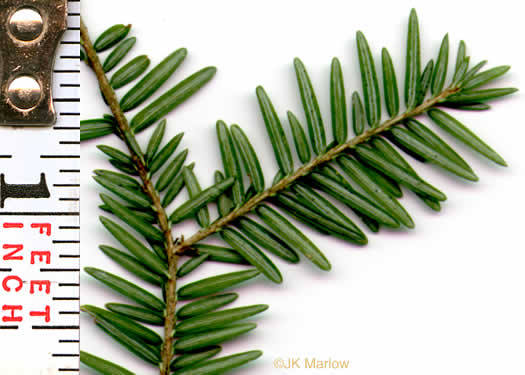
A few dwarfed stems of Canada hemlock (Tsuga canadensis),
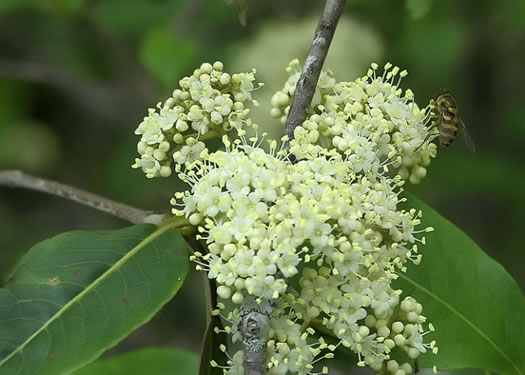
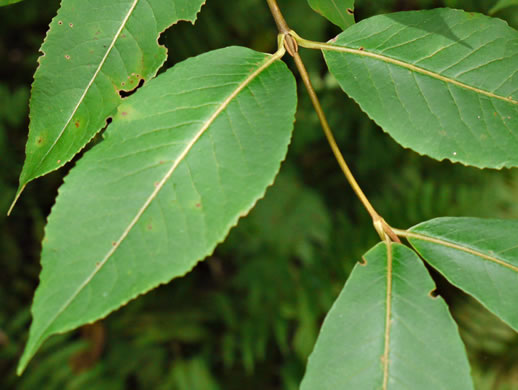
northern wild raisin (Viburnum cassinoides),
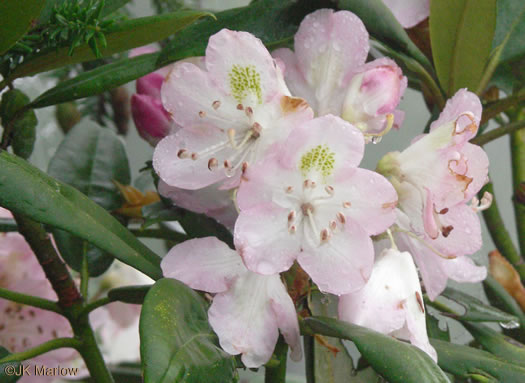
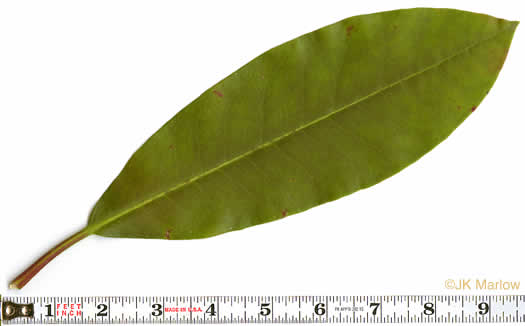
great laurel (Rhododendron maximum),
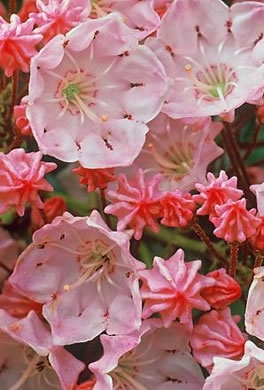
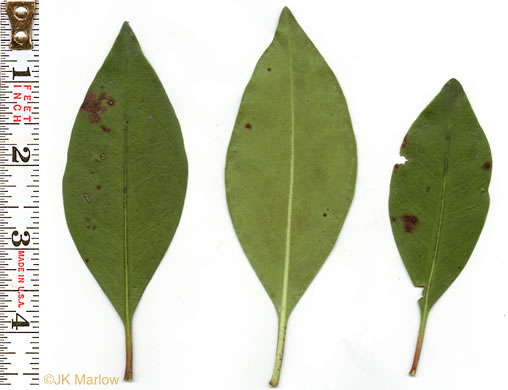
or mountain laurel (Kalmia latifolia) are sometimes present.
Herbs that are typically found here include
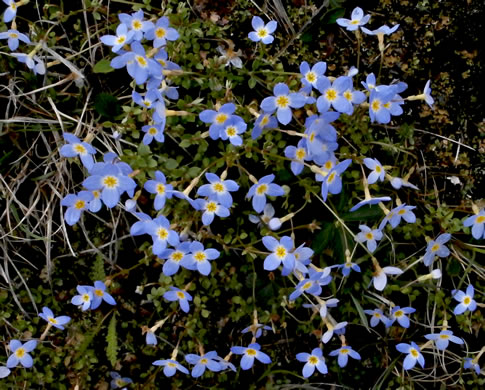
Appalachian bluet (Houstonia serpyllifolia),
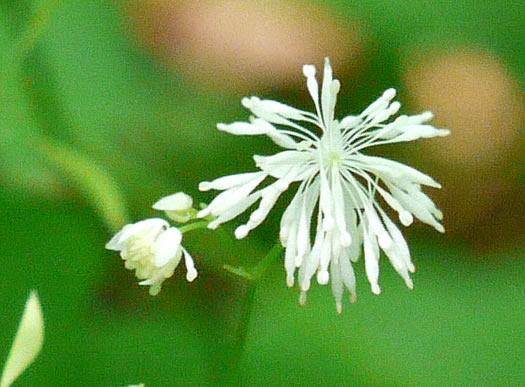
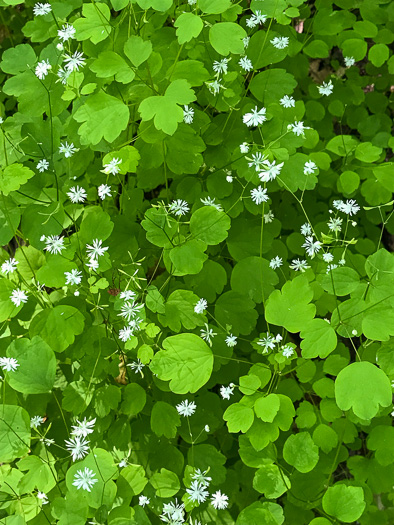
mountain meadow rue (Thalictrum clavatum),
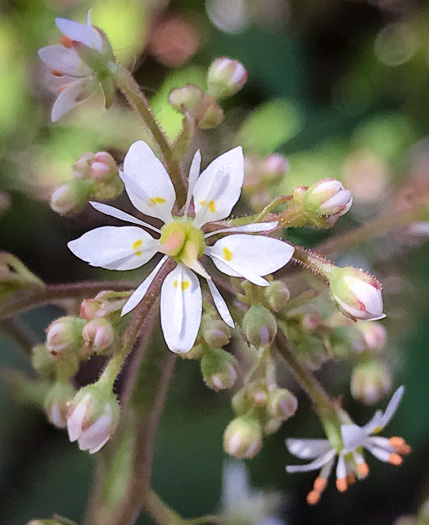
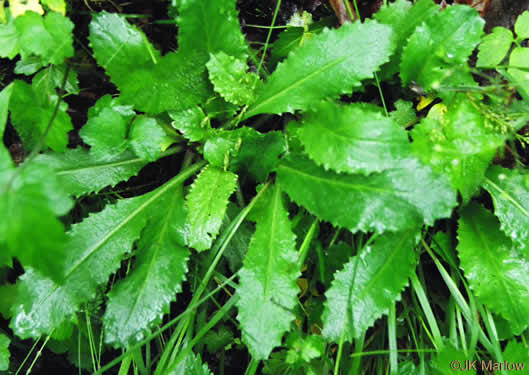
branch-lettuce (Saxifraga micranthidifolia),
meadow spikemoss (Selaginella apoda),
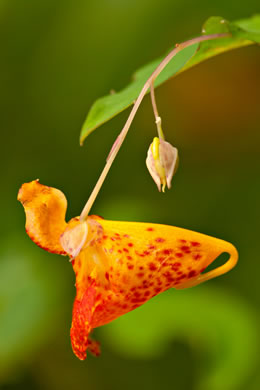
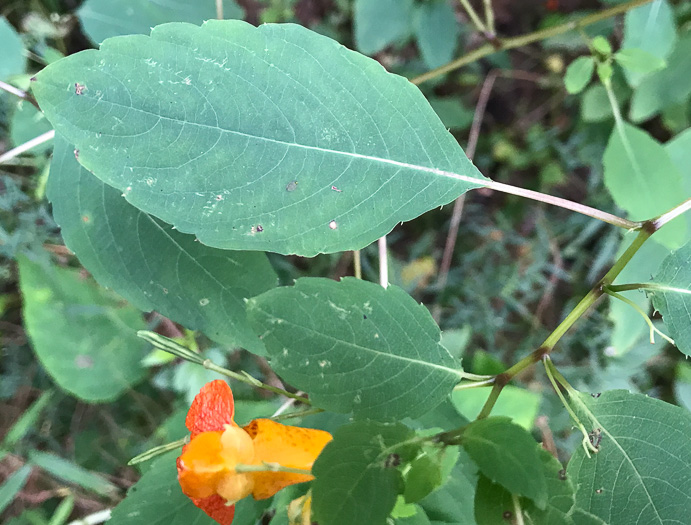
jewelweed (Impatiens capensis),
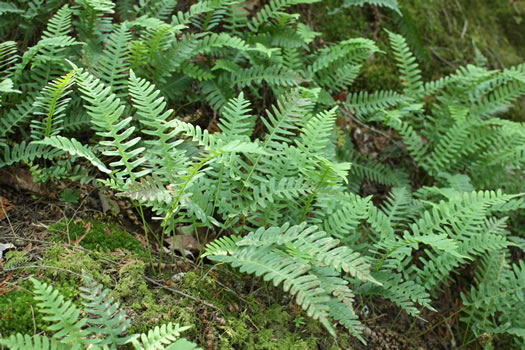
common rockcap fern (Polypodium virginianum),
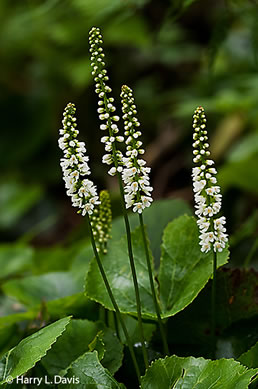
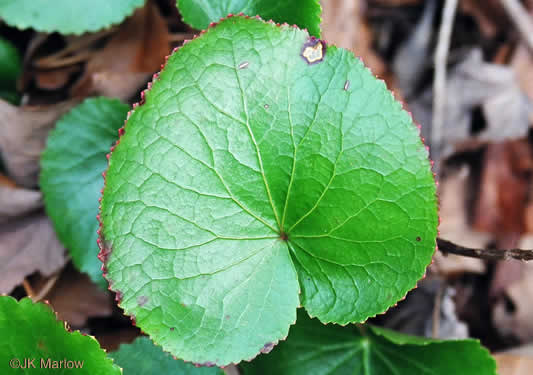
galax (Galax urceolata)
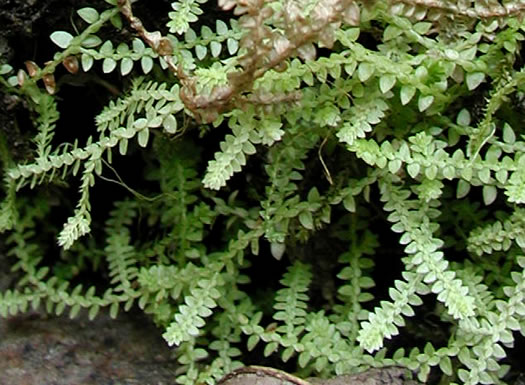
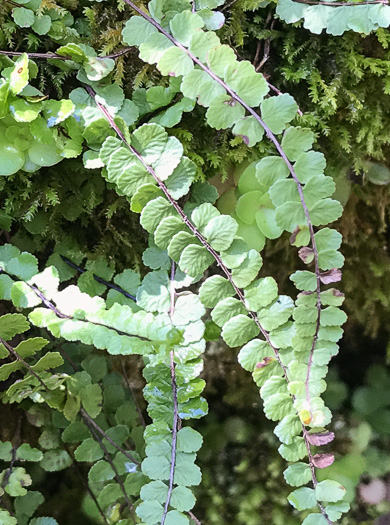
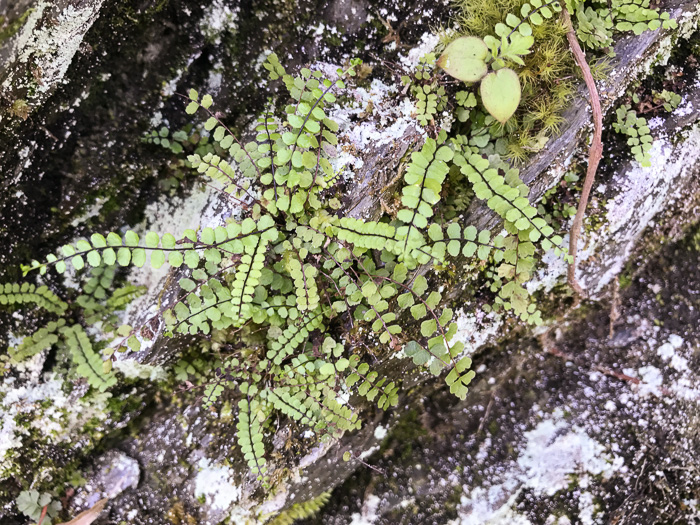
and maidenhair spleenwort (Asplenium trichomanes).
Rare species are only known from a few spray cliff communities and include
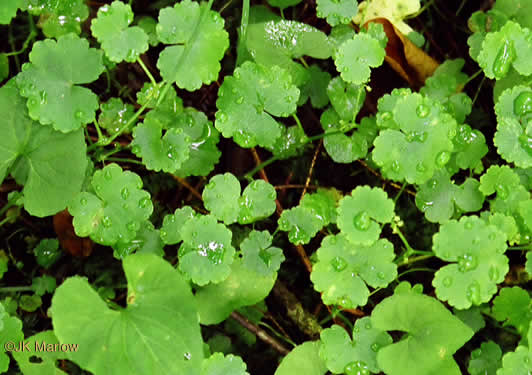
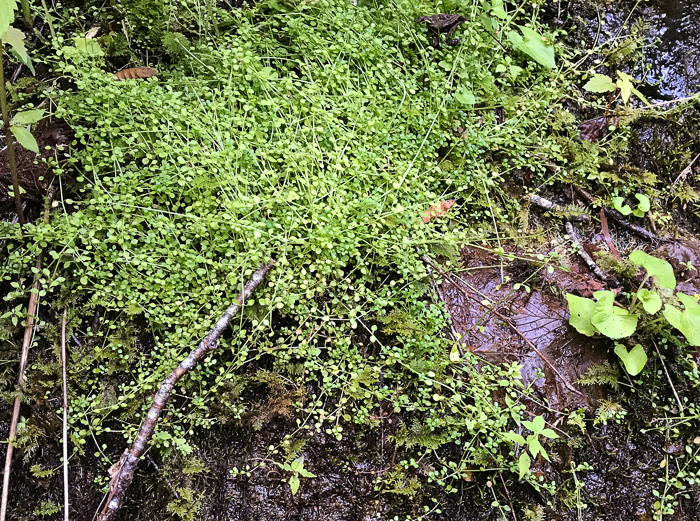
American water-pennywort (Hydrocotyle americana)
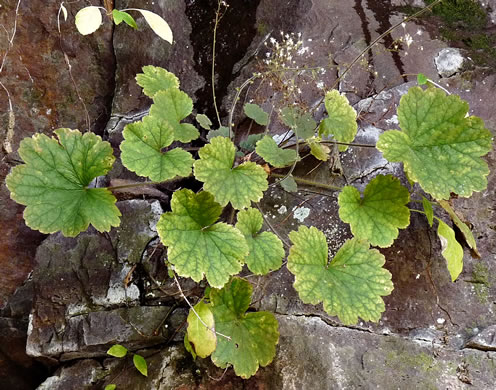
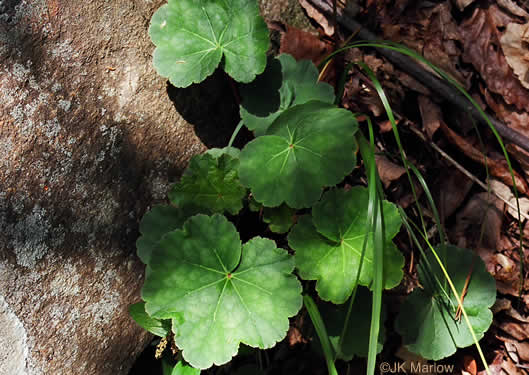
and cave alumroot (Heuchera parviflora),
which is found in either moist or dry overhanging rock ledges.
South Carolina's Natural Wildflower Communities is adapted from A Guide to the Wildflowers of South Carolina by Richard D. Porcher and Douglas A. Rayner. Used by permission.
To see pictures or additional information about a particular plant, click its name or its picture.